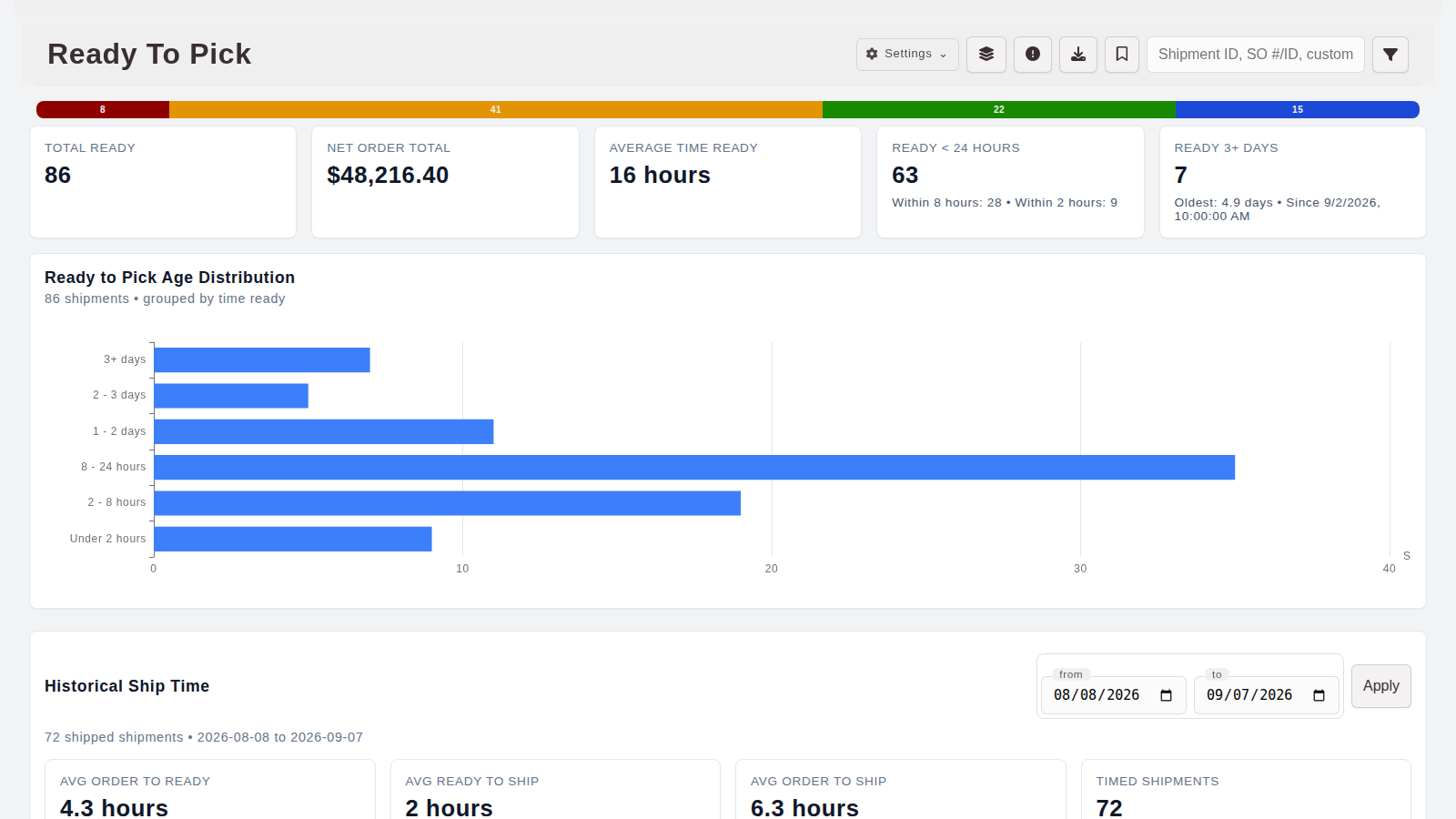
01 / READY
Focus the floor on what can move.
Give the team a clean queue of work backed by current inventory and fulfillment state.
THE OPERATING SYSTEM FOR YOUR WAREHOUSE
ORCA connects demand, inventory, warehouse work, and the systems around them so your team can act from the same operational truth.
ONE CONNECTED OPERATION
Orders should not disappear into spreadsheets, inboxes, and disconnected tools. ORCA keeps each handoff visible from the moment demand arrives through the final operational and accounting updates.
Collect orders from ecommerce, marketplaces, wholesale, and EDI workflows without making the warehouse chase multiple systems.
Connect availability, commitments, bins, lots, purchasing, and receiving so teams know what they have and what they can promise.
Turn demand into clear receiving, picking, packing, shipping, replenishment, and manufacturing work.
Keep backorders, holds, returns, rules, documents, and failed handoffs visible before they become customer problems.
Send tracking, inventory, billing, and accounting updates back to the systems that need them while preserving operational history.
 ORCAOperational truth
INVENTORY & PURCHASING
ORCA connects inventory position, demand, purchasing, and receiving so decisions begin with what is actually happening across the operation.
See true availability. Separate on-hand stock from quantities already committed to orders and inventory still on the way.
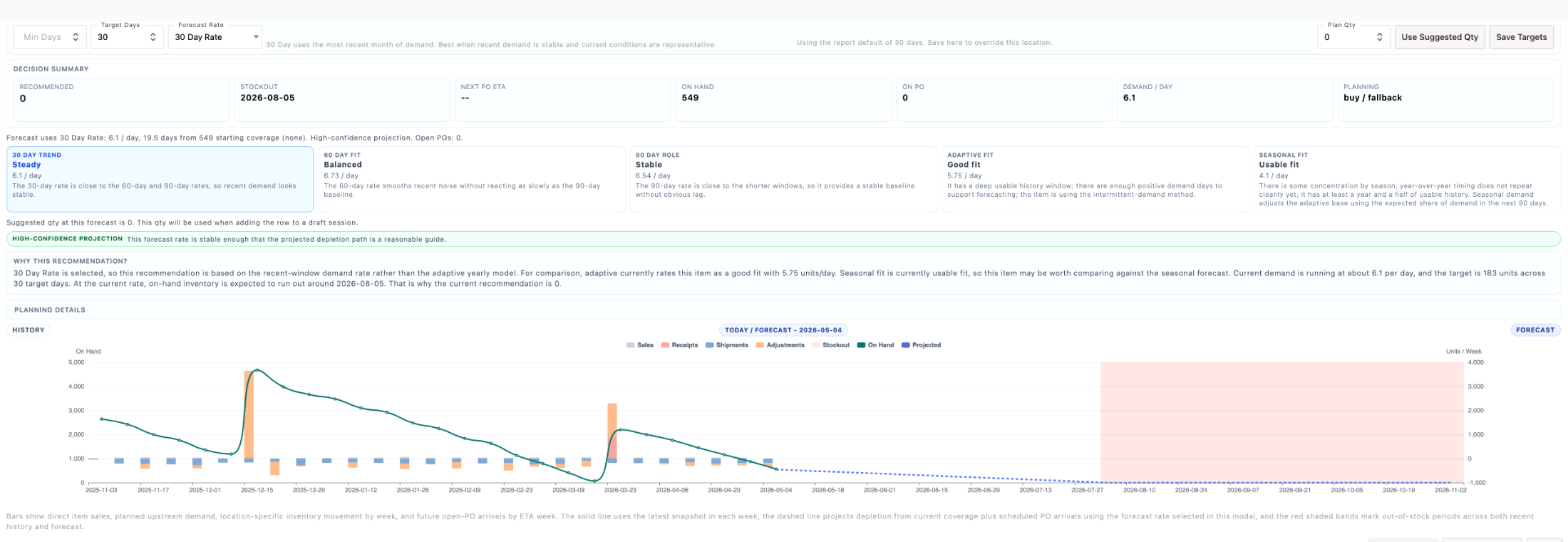
Plan purchasing with demand in view. Compare projected inventory, expected usage, and stockout timing before creating the next purchase order.
Receive back into control. Connect purchase orders, receipts, bins, lots, and discrepancies to the inventory your team works from.
CONTROL THE WORK IN FRONT OF YOU
ORCA separates executable work from blocked work and completed work. Operators stay focused while managers see the whole operation moving.
Give the team a clean queue of work backed by current inventory and fulfillment state.
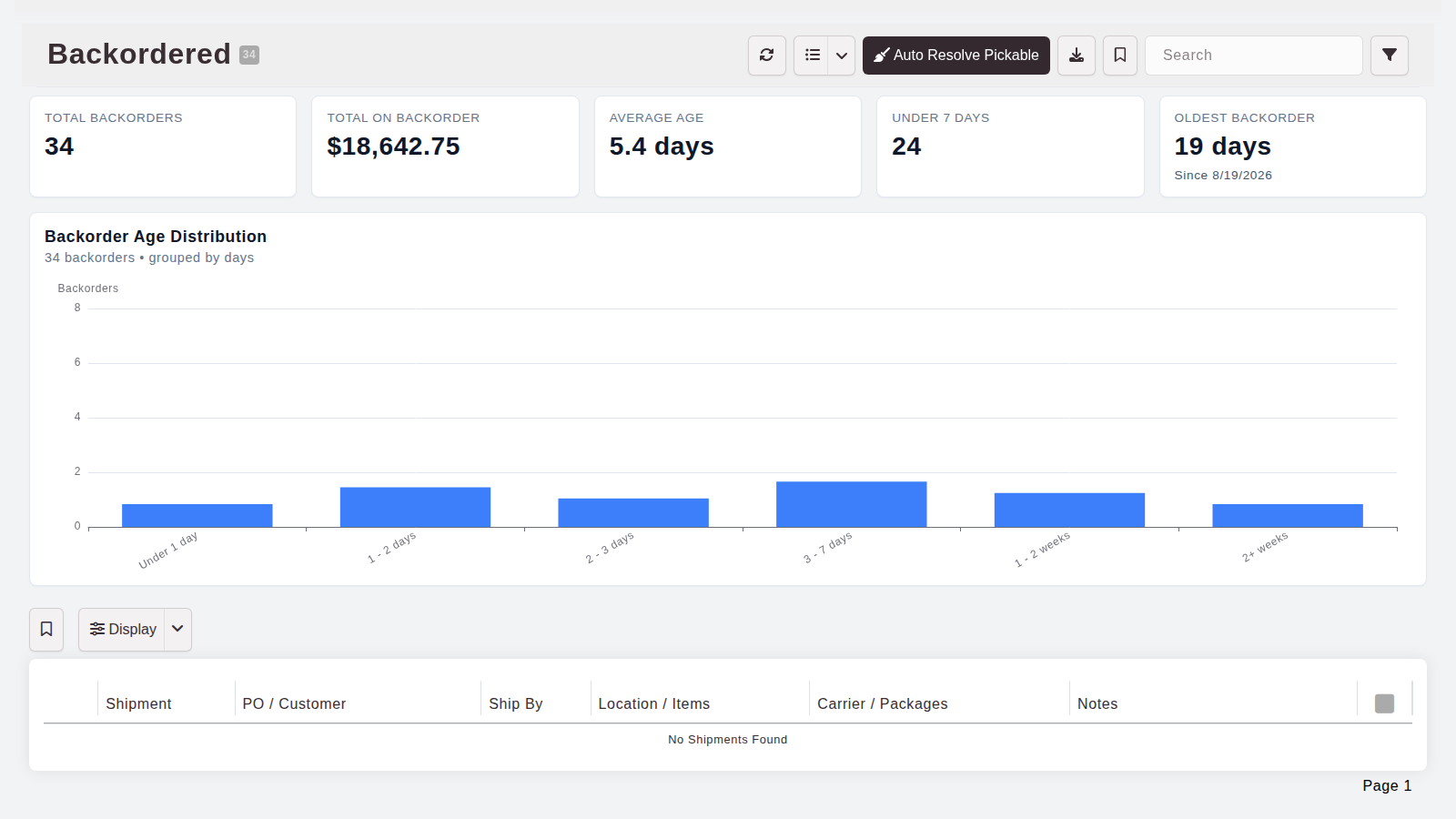
Separate unavailable work from executable work and see how long orders have been waiting.
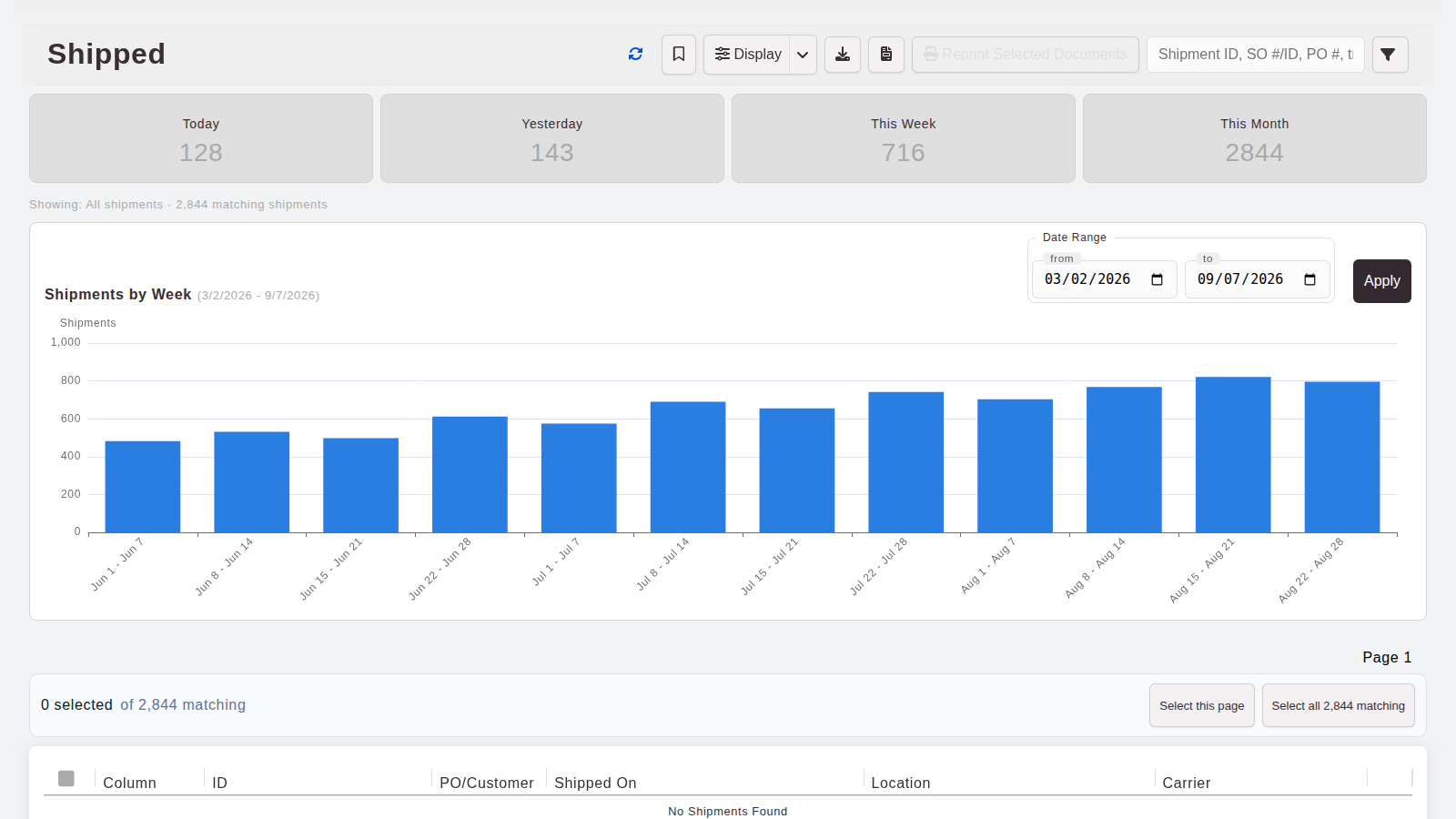
See completed shipment value and volume from the same operation that did the work.
FROM ACTIVITY TO CONTROL
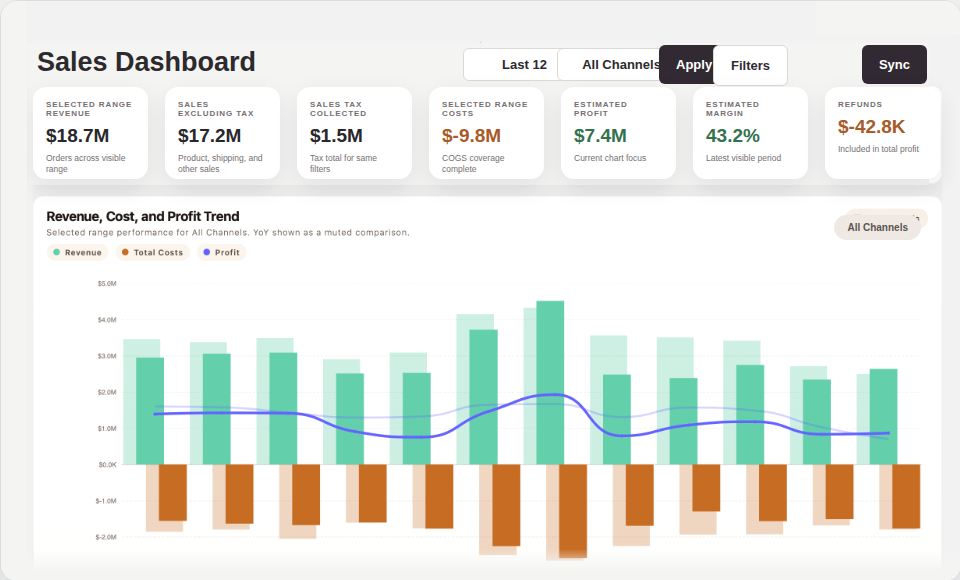
Warehouse software should make the operation easier to understand. ORCA turns day-to-day activity into clear queues, exception states, and reporting that stay tied to the underlying work.
DEPTH WHERE YOUR OPERATION NEEDS IT
Start with the operational problem you need to solve. Add the workflows and connections that fit how your business actually runs.
Receiving, bins, picking, packing, shipping, returns, and floor-level exceptions.
↗ 02Work orders, bills of materials, station queues, approvals, and business-specific rules.
↗ 03Ecommerce, marketplaces, accounting, ERP, shipping, payments, EDI, and more.
↗ 04Mobile warehouse tools, scanning, notifications, desktop printing, and operational access.
↗START WITH YOUR OPERATION
We’ll walk through the parts of ORCA that fit your warehouse, your systems, and the way your team works today.
Book a focused demo